Author: Anil Raj

  • Blog
  • Author: Anil Raj
Phishing: Unmasking Cyber Threats and Safeguarding Your Digital Realm

Phishing: Unmasking Cyber Threats and Safeguarding Your Digital Realm

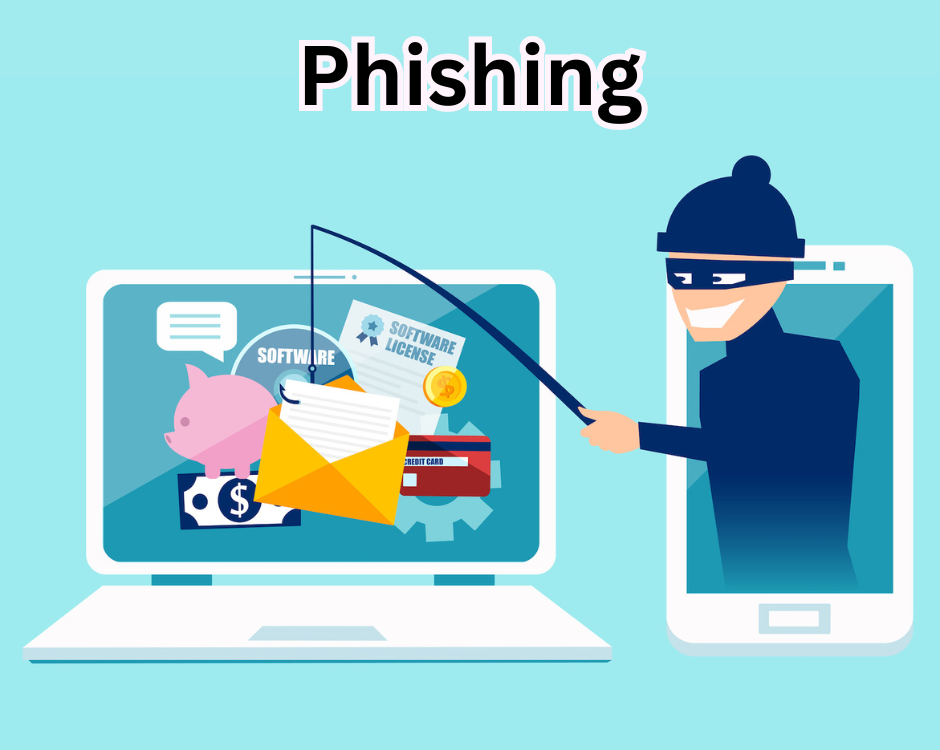
In today’s interconnected world, cyber threats loom large, and one of the most insidious among them is phishing. This deceptive technique preys on human psychology, exploiting trust and urgency to compromise sensitive data and create chaos. In this blog, we’ll delve into the depths of phishing, explore its threats, and most importantly, discuss how you can fortify your defences against it. At the forefront of cybersecurity, Cybervault IT Services stands out as the best phishing simulation company, providing cutting-edge solutions to combat this evolving danger. What Is Phishing? Phishing is like a digital disguise. Cybercriminals craft fraudulent emails, text messages, or websites that look real, tricking people into sharing sensitive information or executing harmful actions. Here’s how it works: Deceptive Bait: Phishers pose as trusted entities—colleagues, banks, or service providers—enticing recipients to take action. Urgency and Fear: Urgent requests or alarming scenarios create pressure, pushing victims to act impulsively. Common Tactics: Email Phishing: Bogus emails mimic official communications, urging users to click links, download attachments, or reveal credentials. Spear Phishing: Targeted attacks customized for specific individuals or organizations. Whaling: Focused on high-profile targets like executives. Business Email Compromise (BEC): Hijacking legitimate email accounts for malicious purposes. Common Threats of Phishing Attacks: Identity Theft: Phishing attacks often lead to identity theft, where cybercriminals gain unauthorized access to personal information, enabling them to impersonate the victim for malicious purposes. Financial Fraud: By tricking individuals into providing financial details, attackers can engage in fraudulent activities, including unauthorized transactions and draining bank accounts. Credential Theft: Phishing attacks frequently target login credentials for email accounts, social media, or other online platforms, compromising user accounts and potentially leading to broader security breaches. Ransomware: In some cases, phishing attacks serve as a gateway for the deployment of ransomware, encrypting valuable data and demanding a ransom for its release. How to Overcome Phishing Threats? Education and Training: Knowledge is the first line of defences. Organizations and individuals should invest in comprehensive phishing training programs to educate users about the various tactics employed by cybercriminals. Cybervault IT Services stands out as the best phishing training provider, offering tailored programs to enhance user awareness. Use Advanced Security Solutions: Employing advanced email security solutions and antivirus software can help detect and block phishing attempts before they reach the intended targets. Multi-Factor Authentication (MFA): Implementing MFA adds an extra layer of security by requiring users to provide multiple forms of identification, reducing the risk of unauthorized access even if credentials are compromised. Regular Phishing Simulations: Companies can assess their employees’ susceptibility to phishing attacks by conducting regular simulations. Cybervault IT Services, as the best phishing simulation company, offers realistic scenarios to test and improve your organisation’s resilience against phishing threats. Cybervault IT Services: Your Shield Against Phishing Fortunately, you can defend yourself against phishing scams. Here are some key tips: Be Wary of Unfamiliar Senders: Don’t click on links or open attachments from emails or texts from unknown senders. Check Sender Addresses Carefully: Look closely at the sender’s email address. Phishing emails often have subtle typos or use generic greetings like “Dear Customer.” Don’t Rush: Phishing emails often create a sense of urgency to pressure you into acting hastily. Take a moment to scrutinize the message before clicking anything. Hover Over Links: Before clicking a link, hover your mouse over it. A preview of the actual website address should appear. If it doesn’t match the displayed text, don’t click! Strong Passwords: Use unique and strong passwords for all your online accounts. Cybersecurity Training: Regular training can equip employees to identify and avoid phishing attempts. As a trusted name in cybersecurity, Cybervault IT Services stands at the forefront of defence. If you’re a business owner, consider investing in professional cybersecurity training for your staff. Here at Cybervault IT Services, we offer the best phishing simulation programs to educate your employees and create a strong defence against cyberattacks. Our best phishing training teaches employees to recognize phishing attempts and safeguards your company’s sensitive information. By staying vigilant and taking proactive measures, you can protect yourself and your organization from the dangers of phishing. Remember, knowledge is power – so stay informed and stay safe! For more information, visit https://cybervaultitservices.com/

Read More
The ROI of Cybersecurity: Why Protection is Cheaper Than Breach

The ROI of Cybersecurity: Why Protection is Cheaper Than Breach

The ROI of Cybersecurity: Why Protection is Cheaper Than Breach In today’s hyper-connected world, cybersecurity is not just an IT expense—it’s a business investment with measurable returns. Yet, many organizations still hesitate to allocate sufficient budgets for robust protection, believing security measures are too costly. The reality? The cost of a breach far outweighs the cost of prevention. According to IBM’s Cost of a Data Breach Report 2024, the average global cost of a breach is $4.45 million—a number that continues to rise every year. Beyond financial loss, breaches damage brand reputation, customer trust, and compliance standing. Let’s break down why cybersecurity delivers a powerful Return on Investment (ROI) and why protection is always cheaper than breach. True Cost of Breach When attackers strike, the impact extends well beyond ransom payments or lost data. Hidden costs pile up, often multiplying the damage: • Downtime: Business operations may halt for days or weeks, causing lost revenue. • Regulatory Fines: Non-compliance with GDPR, HIPAA, or other standards leads to hefty penalties. • Reputation Damage: Customers lose trust—some never return. • Incident Response & Recovery: Emergency forensics, legal teams, and PR management are expensive. • Lost Competitive Edge: Sensitive IP (intellectual property) in the wrong hands can set businesses back years. 💡 A single breach can cripple small businesses, while enterprises face long-term erosion of brand equity. Cybersecurity as a Business Investment Just like insurance, cybersecurity provides protection against unpredictable but inevitable risks. When measured against the costs of a breach, the ROI is clear. 1. Cost Avoidance Preventing one breach often offsets years of security investments. 2. Operational Resilience Proactive security ensures minimal downtime and business continuity. 3. Regulatory Compliance Meeting compliance requirements avoids fines and demonstrates trustworthiness to customers. 4.Customer Trust & Retention Strong security builds confidence, attracting security-conscious clients and retaining existing ones. 5. Competitive Advantage In industries like finance, healthcare, and SaaS, robust cybersecurity can be a market differentiator. Best Practice to maximize cybersecurity ROI Adopt a Risk-Based Approach: Focus resources on protecting the most critical assets. Implement Zero Trust Architecture: Reduce insider threats and lateral movement. Use AI-Driven Threat Detection: Stop advanced attacks before they cause damage. Train Employees Continuously: Human error remains the #1 attack vector. Regular Backups & Incident Response Plans: Reduce downtime and recovery costs. Final Thoughts Cybersecurity should never be seen as a cost center—it’s a profit protector. Every investment in protection pays dividends in the form of avoided breaches, stronger compliance, and higher customer trust. 💡 Key takeaway: In 2026, the organizations that thrive will be those that treat cybersecurity as a strategic business enabler—because protection is always cheaper than breach.

Read More
VAPT: Safeguarding Digital Fortresses

VAPT: Safeguarding Digital Fortresses

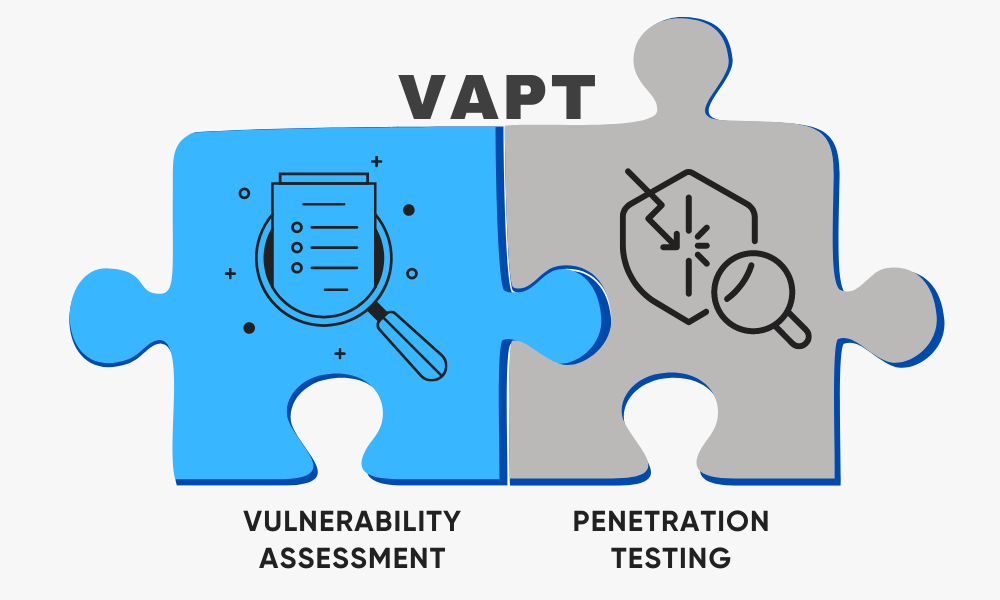
Introduction to VAPT Vulnerability Assessment and Penetration Testing (VAPT) is a crucial component of cybersecurity. It involves identifying and mitigating potential security risks within an organization’s information technology infrastructure. Let’s delve deeper into what VAPT involves: Vulnerability Assessment (VA) What is Vulnerability Assessment? VA is the process of systematically scanning and assessing an organization’s systems, networks, and applications to identify vulnerabilities. These vulnerabilities could be misconfigurations, outdated software, or weak security controls. Why is Vulnerability Assessment Important? Early detection of vulnerabilities helps prevent security breaches. It provides insights into an organization’s security posture. Penetration Testing (PT) What is Penetration Testing? PT involves simulating real-world attacks on an organization’s systems to identify exploitable vulnerabilities. Ethical hackers (penetration testers) attempt to breach security defenses. Why is Penetration Testing Important? PT validates the effectiveness of security controls. It helps uncover hidden vulnerabilities that automated scans might miss. “VAPT: Invest in data security and safeguard your business.” By partnering with Cybervault IT Services, you can gain peace of mind knowing your systems are secure and your data is protected. VAPT is a valuable tool for any organization that takes data security seriously. By proactively identifying and addressing vulnerabilities, you can significantly reduce your risk of a cyberattack. Consider VAPT as an investment in the security of your data and the future of your business. In an ever-evolving digital landscape, VAPT plays a pivotal role in safeguarding organizations from cyber threats. Cybervault IT Services is a trusted partner in the realm of cybersecurity expertise. Additionally, if you’re looking for the best VAPT services company in Pune, India; you can consider Cybervault IT Services as a trusted partner. “In the dynamic landscape of cybersecurity, VAPT stands as a sentinel, guarding digital fortresses against unseen threats. Invest wisely, secure your data, and fortify your business for the future with Cybervault IT Services, your trusted partner in safeguarding information.”

Read More
What is Network Penetration Testing?

What is Network Penetration Testing?

Imagine a detective exactly combing through a crime scene, searching for every hidden clue and potential entry point. Now, replace the detective with an “Ethical Hacker” and the crime scene with your organization’s network. That, in essence, is what Network Penetration Testing (pen testing) is all about But before we go deeper, let’s address the elephant in the room: why would anyone want to intentionally attack their network? The answer lies in the proactive approach to cyber security. Pen testing simulates a real-world cyber-attack conducted by ethical hackers with permission and within defined boundaries. By mimicking the methods of malicious actors, it uncovers vulnerabilities in your network security that traditional scans and assessments might miss. Think of it as a stress test for your digital defences. Network Penetration Testing helps you identify: 1. Unpatched software and out-dated systems: These are easy targets for attackers, and Penetration Testing exposes them before they can be exploited. 2. Misconfigurations in security settings: Even the most robust security tools can be rendered ineffective if not configured correctly. Penetration Testing pinpoints these misconfigurations for rectification. 3. Weak passwords and insecure user practices: Human error is often the weakest link in the security chain. Penetration Testing can simulate phishing attacks and social engineering tactics to assess employee awareness and identify potential breaches. The Benefits of Going Undercover: The value of Penetration Testing goes beyond simply identifying vulnerabilities. It provides: – A prioritized list of risks: Penetration Testing reports not only highlight the security holes but also rank them based on their potential impact, allowing you to focus on the most critical issues first. – Improved incident response: By understanding how attackers might infiltrate your network, you can develop more effective incident response plans. Remember, organizations like Cybervault IT Services specialize in conducting thorough network Penetration Tests to safeguard your digital assets and keep cyber threats at bay. Is Penetration Testing Right for You? Whether you’re a large enterprise or a small business, Cybervault IT Services Penetration Testing can be a valuable tool for strengthening your cyber security. It’s particularly crucial for organizations that: Handle sensitive data (e.g., financial information, personal data) Operate in highly regulated industries Rely heavily on technology for their operations Remember, before embarking on your Penetration Testing adventure, carefully consider your specific needs and choose a reputable security professional with the expertise to conduct a thorough and effective assessment. With the right approach, Cybervault IT Services Penetration Testing can be the key to unlocking a more secure and resilient digital future for your organization.

Read More