Author: Anil Raj

  • Blog
  • Author: Anil Raj
Common Security Gaps in Startups

Common Security Gaps in Startups

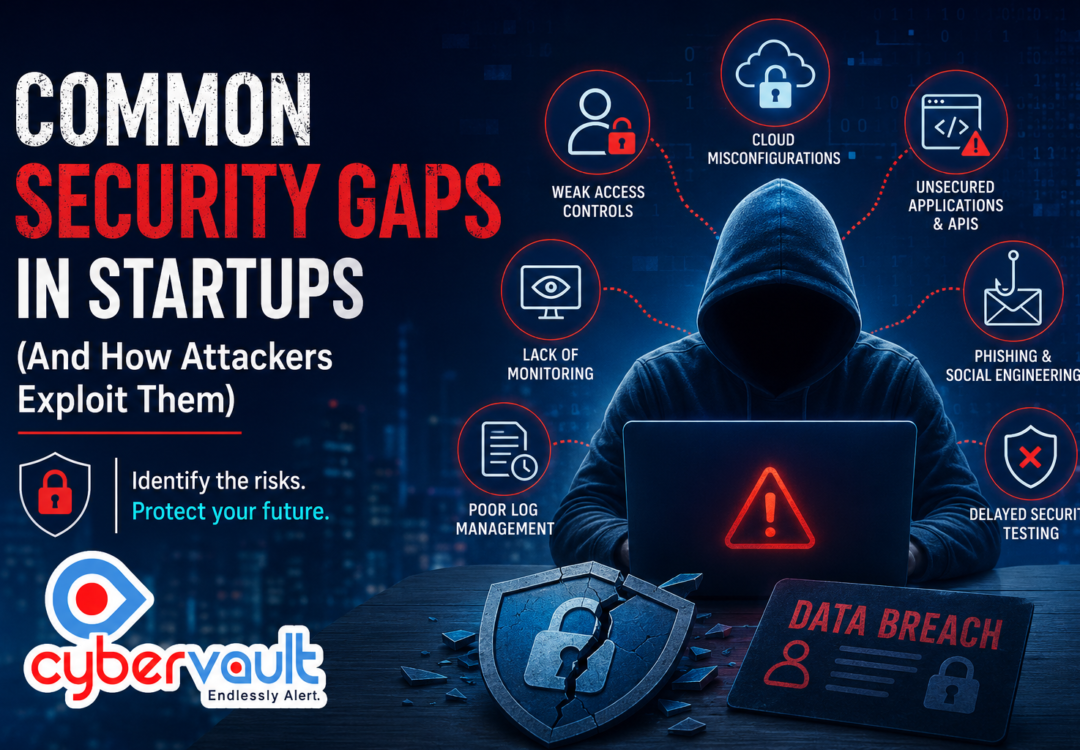
Common Security Gaps in Startups (And How Attackers Exploit Them) Startups thrive on innovation, speed, and growth. However, in the race to launch products and acquire customers, cybersecurity often takes a back seat. Many startups assume they are too small to become targets, but attackers frequently view startups as easy entry points due to limited security controls and immature security practices. According to the Verizon Data Breach Investigations , small and medium-sized businesses continue to be attractive targets because of weak defenses and valuable customer data. For startups, a single cyber incident can result in financial losses, reputational damage, and regulatory challenges.   1. Weak Access Control One of the most common security gaps is poor access management. Employees often share credentials, use weak passwords, or retain unnecessary administrative privileges. Attackers exploit these weaknesses through credential stuffing, brute-force attacks, and phishing campaigns. Once access is gained, they can move laterally across systems and compromise sensitive data. Recommended Solution: Implement Multi-Factor Authentication (MFA), role-based access control, and regular access reviews. 2. Unsecured Web Applications and APIs Modern startups heavily depend on web applications and APIs. Unfortunately, insecure coding practices, misconfigurations, and insufficient testing often introduce vulnerabilities. Common issues include: Broken authentication SQL Injection Cross-Site Scripting (XSS) Insecure API endpoints These vulnerabilities are regularly highlighted by the OWASP Top 10  and remain among the most exploited attack vectors. To identify such risks early, startups should conduct regular Vulnerability Assessment and Penetration Testing (VAPT) 3. Cloud Misconfigurations  Cloud platforms provide scalability and flexibility, but misconfigured storage buckets, security groups, and access policies can expose sensitive information to the public internet. Attackers continuously scan cloud environments for exposed assets. Even a single misconfigured storage bucket can lead to large-scale data leaks. Regular cloud security assessments and configuration reviews are essential to minimize exposure. 4. Lack of Security Monitoring Many startups focus on prevention but overlook detection. Without centralized logging and monitoring, malicious activities can remain undetected for weeks or months. Organizations should implement continuous monitoring, log analysis, and incident detection capabilities as part of a broader Cyber Security Services Program 5. Employee Awareness Gaps Human error remains one of the leading causes of security incidents. Employees may unknowingly click phishing links, download malicious files, or share sensitive information. Attackers increasingly use social engineering techniques because they target people rather than technology. Regular security awareness training can significantly reduce the likelihood of successful phishing attacks and credential compromise. 6. Delayed Security Testing Many startups postpone security testing until a customer, investor, or compliance requirement demands it. By that stage, vulnerabilities may already be present in production environments. Proactive testing helps identify weaknesses before attackers discover them. Security should be integrated into the software development lifecycle rather than treated as a final checkpoint. Conclusion Cybercriminals actively target startups because they often possess valuable data but lack mature security controls. Weak access management, vulnerable applications, cloud misconfigurations, and insufficient monitoring create opportunities for attackers to gain access and cause significant damage. By investing in proactive security assessments, continuous monitoring, and employee awareness, startups can significantly reduce their risk exposure and establish a strong foundation for secure growth. The question isn’t whether startups will be targeted—it’s whether they are prepared when the attack happens.

Read More
From “Set and Forget” to “Continuous Testing”: The Evolution of VAPT for Modern Threats – Copy

From “Set and Forget” to “Continuous Testing”: The Evolution of VAPT for Modern Threats – Copy

From “Set and Forget” to “Continuous Testing”: The Evolution of VAPT for Modern Threats For years, organizations treated Vulnerability Assessment and Penetration Testing (VAPT) as a one-time compliance checkbox — conduct a test, fix reported issues, and archive the report. This “set and forget” mindset may have worked in slower IT environments. But in today’s cloud-native, DevOps-driven ecosystems, threats evolve daily — and so must security testing. At Cybervault we’ve seen firsthand how modern security requires continuous validation, not periodic review. The Limitation of Traditional VAPT Traditional VAPT engagements were: Annual or bi-annual Compliance-focused Static in scope Perimeter-centricHowever, attackers operate continuously. Incidents like the SolarWinds breach demonstrated how sophisticated supply chain attacks can bypass traditional security checks With frequent code deployments, cloud migrations, and API integrations, the attack surface changes faster than annual assessments can track. Why Continuous Testing Is Essential ? 1. Frequent Code Releases DevOps pipelines push updates regularly. Each release may introduce new vulnerabilities. 2. Expanding Attack Surface Cloud assets, exposed APIs, and misconfigured storage buckets increase external exposure. 3. Emerging Vulnerabilities Communities like OWASP constantly update critical risk categories, reflecting the evolving threat landscape. Continuous VAPT ensures vulnerabilities are detected and remediated before exploitation. What Modern Continuous VAPT Includes ? Automated vulnerability scanning Scheduled manual penetration testing Red team simulations Attack surface monitoring Re-testing after major deployments At Cybervault’s VAPT Services, we integrate continuous validation aligned with DevSecOps principles to help organizations stay resilient against real-world threats. From Compliance to Risk-Based Security Old approach:“Did we pass the audit?” Modern approach:“Are we secure against active attack techniques today?” Continuous testing shifts focus from documentation to exploitability and business impact. Conclusion Cybersecurity is no longer a yearly activity — it’s an ongoing discipline. Organizations that adopt continuous VAPT reduce breach risks, improve remediation timelines, and build long-term cyber resilience. The question is no longer whether you’ve conducted a VAPT —but whether you’re continuously testing against evolving threats.

Read More
Top 10 Emerging Cyber Threats and How to Defend Against Them

Top 10 Emerging Cyber Threats and How to Defend Against Them

Top 10 Emerging Cyber Threats and How to Defend Against Them Cybersecurity is no longer a back-office concern—it’s a boardroom priority. As businesses embrace cloud computing, AI-driven tools, and remote work, cybercriminals are evolving faster than ever. According to recent reports, global cybercrime damages are projected to hit $10.5 trillion annually by 2025. Staying ahead requires not only awareness of today’s threats but also preparedness for tomorrow’s. Here are the Top 10 Emerging Cyber Threats in 2026—and practical steps to defend against them. 1. AI-Powered Cyber Attacks Threat: Hackers are leveraging AI to craft more convincing phishing emails, automate malware, and bypass traditional security tools. Defense: Invest in AI-driven security solutions, continuously train employees on recognizing phishing attempts, and implement multi-layered threat detection. 2. Deepfake Identity Fraud Threat: Criminals use deepfakes to impersonate CEOs, employees, or vendors—tricking organizations into financial fraud or data leaks. Defense: Establish multi-factor approval processes for financial transactions and adopt tools that detect manipulated media. 3. Supply Chain Attacks Threat: Attackers target third-party vendors or software providers to infiltrate larger organizations. Defense: Enforce vendor risk assessments, implement zero trust architecture, and regularly monitor third-party integrations. 4. Ransomware as-a-service (RaaS) Threat: Ransomware kits are sold on the dark web, making it easier for less-skilled hackers to launch devastating attacks. Defense: Maintain regular offline backups, deploy endpoint protection, and create a tested incident response plan. 5. Cloud Misconfigurations Threat: As businesses move to the cloud, misconfigured servers, APIs, or storage buckets become easy entry points for attackers. Defense: Conduct regular cloud security audits, enable encryption by default, and follow the shared responsibility model with cloud providers. 6. IoT Device Exploits Threat: Smart devices (CCTV cameras, sensors, wearables) often lack robust security, creating weak links in networks. Defense: Segment IoT devices from core networks, update firmware regularly, and deploy IoT security monitoring tools. 7. Quantum Computing Threats Threat: While still emerging, quantum computing could eventually break traditional encryption methods. Defense: Begin exploring post-quantum cryptography and stay updated with evolving encryption standards. 8. Insider Threats Threat: Disgruntled employees or careless staff remain one of the biggest vulnerabilities. Defense: Implement least privilege access, monitor user behavior with UEBA (User and Entity Behavior Analytics), and foster a culture of cybersecurity awareness. 9. API Exploits Threat: APIs power modern applications, but insecure APIs expose sensitive data and create backdoors for attackers. Defense: Use API gateways, enforce authentication and rate limiting, and perform continuous penetration testing. 10. Critical Infrastructure Attacks Threat: Energy, healthcare, and transportation sectors are prime targets for nation-state attacks and cyber warfare. Defense: Strengthen OT (Operational Technology) security, segment critical systems, and collaborate with government threat intelligence networks. Final Thoughts Cybersecurity in 2026 isn’t just about defense—it’s about resilience. Organizations must adopt a proactive, layered security approach that combines technology, policies, and human awareness. The threats may evolve, but with the right strategy, businesses can stay ahead of attackers. 💡 Key takeaway: Cybersecurity is not a one-time project—it’s an ongoing commitment to adapt, defend, and thrive in the digital age.

Read More
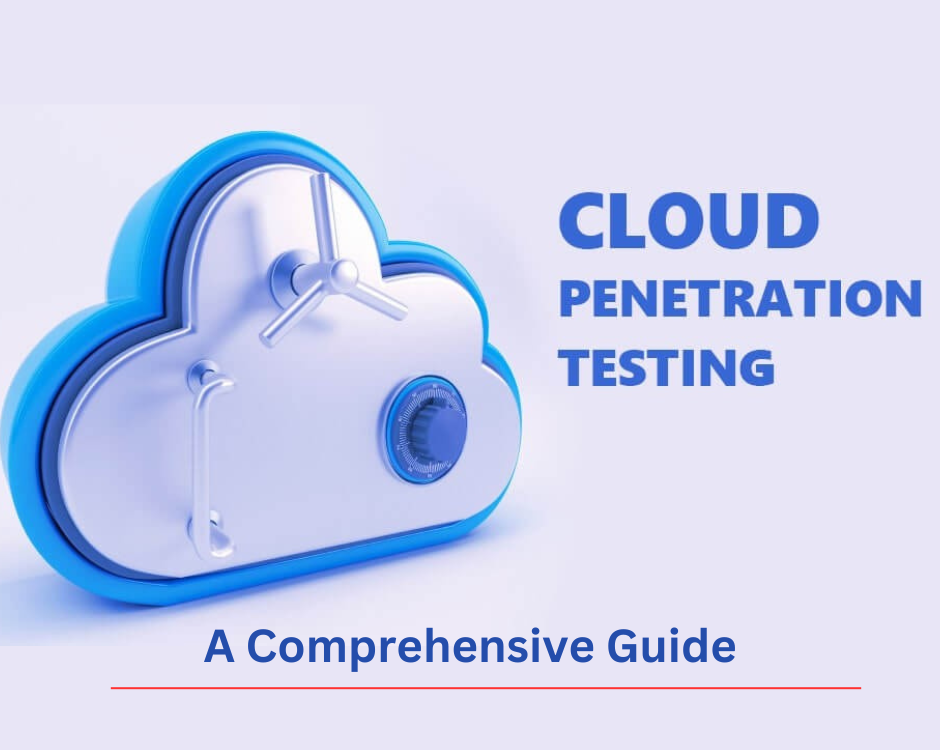
Cloud Penetration Testing: A Comprehensive Guide

Cloud Penetration Testing: A Comprehensive Guide

Cloud Penetration Testing is the process of detecting and exploiting security vulnerabilities in your cloud infrastructure by simulating controlled cyber attacks. It’s a crucial step in ensuring the security of your cloud-based applications and data. In this guide, we’ll explore what cloud penetration testing is, its importance, and best practices. What is Cloud Penetration Testing? Cloud penetration testing involves assessing the security of an organization’s cloud-based systems and infrastructure. It aims to identify potential vulnerabilities, weaknesses, and risks before malicious entities exploit them. By simulating attacks, organizations can proactively address security gaps and enhance their overall cloud security posture. Types of Cloud Penetration Testing Infrastructure Testing: Assessing cloud infrastructure components such as virtual machines, networks, and storage. Application Testing: Evaluating cloud-native applications, APIs, and micro services. Identity and Access Management (IAM) Testing: Reviewing user permissions, roles, and authentication mechanisms. Data Security Testing: Ensuring data encryption, access controls, and compliance. Container Security Testing: Examining containerized applications and orchestration platforms. Best Practices for Cloud Penetration Testing Understand the Cloud Environment: Familiarize yourself with the cloud provider’s services, configurations, and security controls. Define Scope: Clearly define the scope of testing, including assets, services, and attack vectors. Leverage Cloud-Specific Tools: Use tools for cloud environments (e.g., AWS CLI, Azure PowerShell). Test Permissions and Access Controls: Verify user roles, permissions, and least privilege principles. Assess Network Security: Evaluate network segmentation, firewalls, and traffic flow. Review Logging and Monitoring: Analyse logs, alerts, and incident response procedures. Stay Updated: Cloud services evolve rapidly; keep up with changes and new features. Conclusion Cloud penetration testing is essential for maintaining a secure cloud environment. Regular assessments help organizations identify and address vulnerabilities, ensuring robust protection against cyber threats. By following best practices and staying informed, you can enhance your cloud security posture and safeguard critical assets. Cybervault IT Services offers comprehensive cloud penetration testing solutions to assist organizations in strengthening their security measures. Security is a continuous process, and regular testing is the key to avoiding potential risks in the ever-evolving cloud landscape. Remember, knowledge is power – so stay informed and stay safe! For more information, visit https://cybervaultitservices.com/

Read More