Best HIPAA Compliance Services in Pune About HIPAA Compliance
The Health Insurance Portability and Accountability Act (HIPAA) sets the standard for sensitive patient data protection.Companies that deal with protected health information (PHI) must have physical, network, and process security measures in place and follow them to ensure HIPAA Compliance. Covered entities (anyone providing treatment, payment, and operations in healthcare) and business associates (anyone who has access to patient information and provides support in treatment, payment, or operations) must meet HIPAA Compliance. Vulnerability analysis, also known as vulnerability assessment penetration testing (vapt), is a process that defines, identifies, and classifies the security holes (vulnerabilities) in a computer, network, or communications infrastructure. In addition, vulnerability analysis can forecast the effectiveness of proposed countermeasures and evaluate their actual effectiveness after they are put into use.
The Need For HIPAA Compliance
Covered entities are the people and organizations that hold and process PHI data for their customers – the ones required to report HIPAA violations and who are responsible for paying fines imposed by the Office of Civil Rights if and when a HIPAA violation occurs.
- Defining and classifying network or system resources
- Assigning relative levels of importance to the resources
- Identifying potential threats to each resource
- Developing a strategy to deal with the most serious potential problems first
- Defining and implementing ways to minimize the consequences if an attack occurs
HIPAA defines these individuals and organizations as covered entities:
Doctors
Clinics
Psychologists
Dentists
Chiropractors
Nursing Homes
Pharmacies
Health Plan
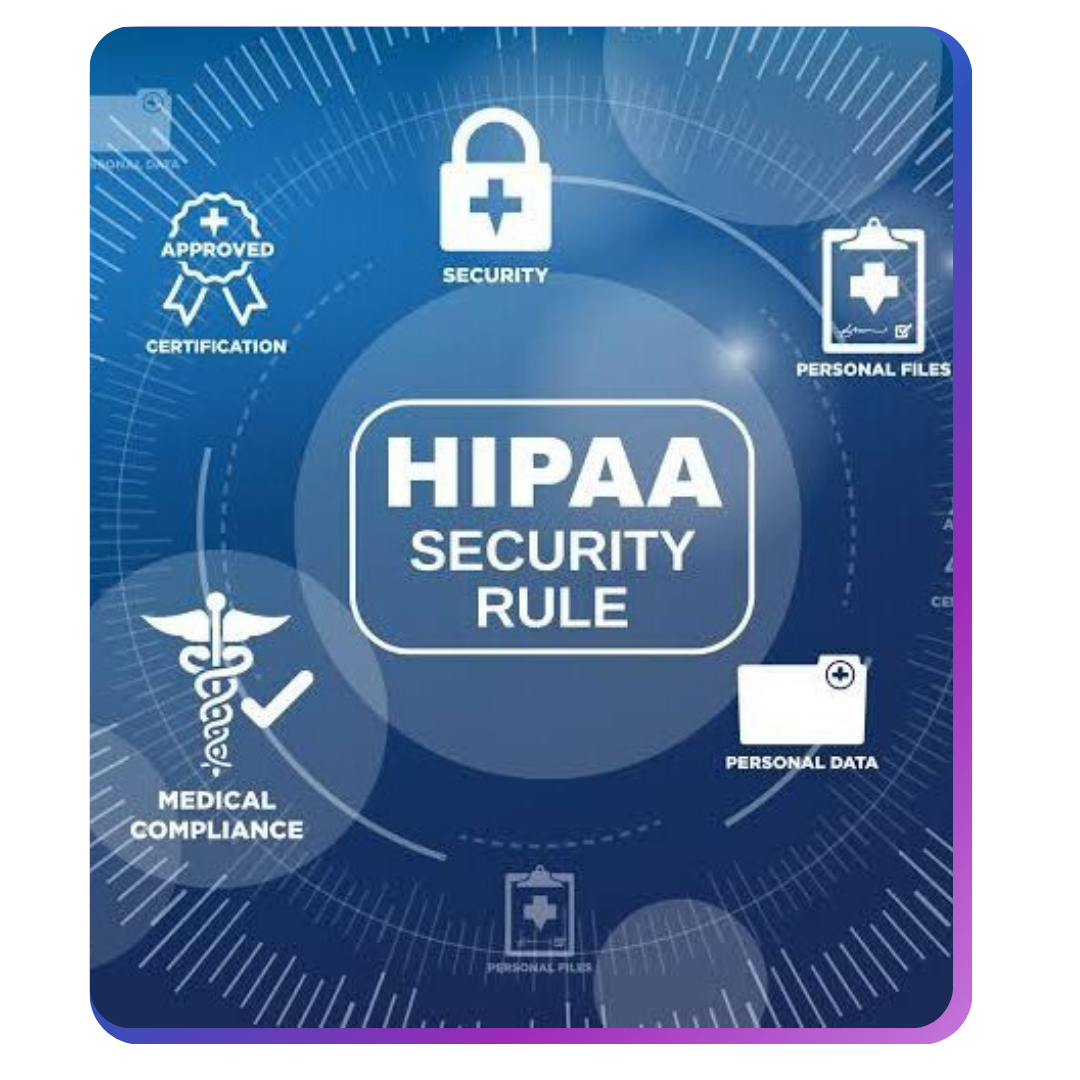
How Does the HIPAA Security Rule Protect Your Data?
The Health Insurance Portability and Accountability Act (HIPAA) sets the standard for sensitive patient data protection. Companies that deal with protected health information (PHI) must meet HIPAA Compliance requirements. Cybervault as the Best HIPAA Compliance Service Provider in Pune will assist you with HIPAA compliance preparation, HIPAA Implementation, and HIPAA Audits.
The Need For HIPAA Compliance
Covered entities are the people and organizations that hold and process PHI data for their customers – the ones required to report HIPAA violations and who are responsible for paying fines imposed by the Office of Civil Rights if and when a HIPAA violation occurs.
- Defining and classifying network or system resources
- Assigning relative levels of importance to the resources
- Identifying potential threats to each resource
- Developing a strategy to deal with the most serious potential problems first
- Defining and implementing ways to minimize the consequences if an attack occurs
The Need For HIPAA Compliance
Covered entities are the people and organizations that hold and process PHI data for their customers
– the ones required to report HIPAA violations and who are responsible for paying fines imposed by the Office
of Civil Rights if and when a HIPAA violation occurs.
- Security Management Process
- Assigned Security Responsibility
- Workforce Security
- Information Access Management
- Security Awareness and Training
- Security Incident Procedures
- Contingency Plan
- Evaluation Business Associate Contracts and other Arrangements
- Facility Access Controls
- Workstation Use
- Workstation Security
- Device and Media Controls
- Person or Entity Authentication
- Access Control
Frequently Asked Questions (FAQs)
Have questions about CSCRF Compliance? Explore our frequently asked questions to understand the assessment process, compliance requirements, benefits, and how CyberVault helps your organization strengthen cybersecurity and achieve regulatory compliance.
HIPAA (Health Insurance Portability and Accountability Act) is a U.S. law that protects the privacy and security of patients’ health information.
Healthcare providers, hospitals, health plans, healthcare clearinghouses, and business associates handling Protected Health Information (PHI).
PHI includes any individually identifiable health information such as medical records, diagnoses, insurance details, and patient identifiers.
It helps protect patient data, reduces breach risks, ensures legal compliance, and builds trust with patients and partners.
The main rules are the Privacy Rule, Security Rule, Breach Notification Rule, and Enforcement Rule.
Yes. Organizations must implement administrative, physical, and technical safeguards to protect electronic PHI (ePHI).
Weak passwords, unauthorized access, lack of encryption, missing risk assessments, poor employee training, and improper disposal of patient records.
Why Choose CyberVault?
We specialize in compliance services and help businesses overcome challenges by providing personalized solutions. Our swift and thorough test results match the needs of today’s businesses; assuring growth by strictly following the Best Compliance Services. As the Best Compliance Service Company in Pune, we excel in the precise management of every compliance facet, guaranteeing a seamless and thorough journey for our clients.Our approach transcends industry standards, offering tailored methods for comprehensive compliance. Join forces with us for an all-encompassing SOC 2 compliance journey, underpinned by our steadfast commitment to quality and client contentment.At Cybervault as the Best VAPT & Cyber Security Company in Pune, our experts collaborate with diverse organizations across a wide spectrum of industries, honing their expertise in standard, industry-specific, and regulatory compliance.
- Managed Web Application
- SIEM Threat Detection
- Security Management
- 24/7 Hours services
- Content Delivery Network
- Instant Malware Removal
- Drive Results & Growth
- Website Hack Repair
- Website Security Services
- Provide Security services
enquiry now
Start your journey towards a secure and compliant organization today send us your enquiry now.
Contact Info
-
Address :
Office No. 1212, Maruti Millennium Tower S.No 36/2, Maruti Chowk, Pune Banglore Highway, next to Tata Showroom, Baner, Pune, Maharashtra 411045